Understanding Riyadh’s Office Rental Landscape
Economic Growth and Business Hubs
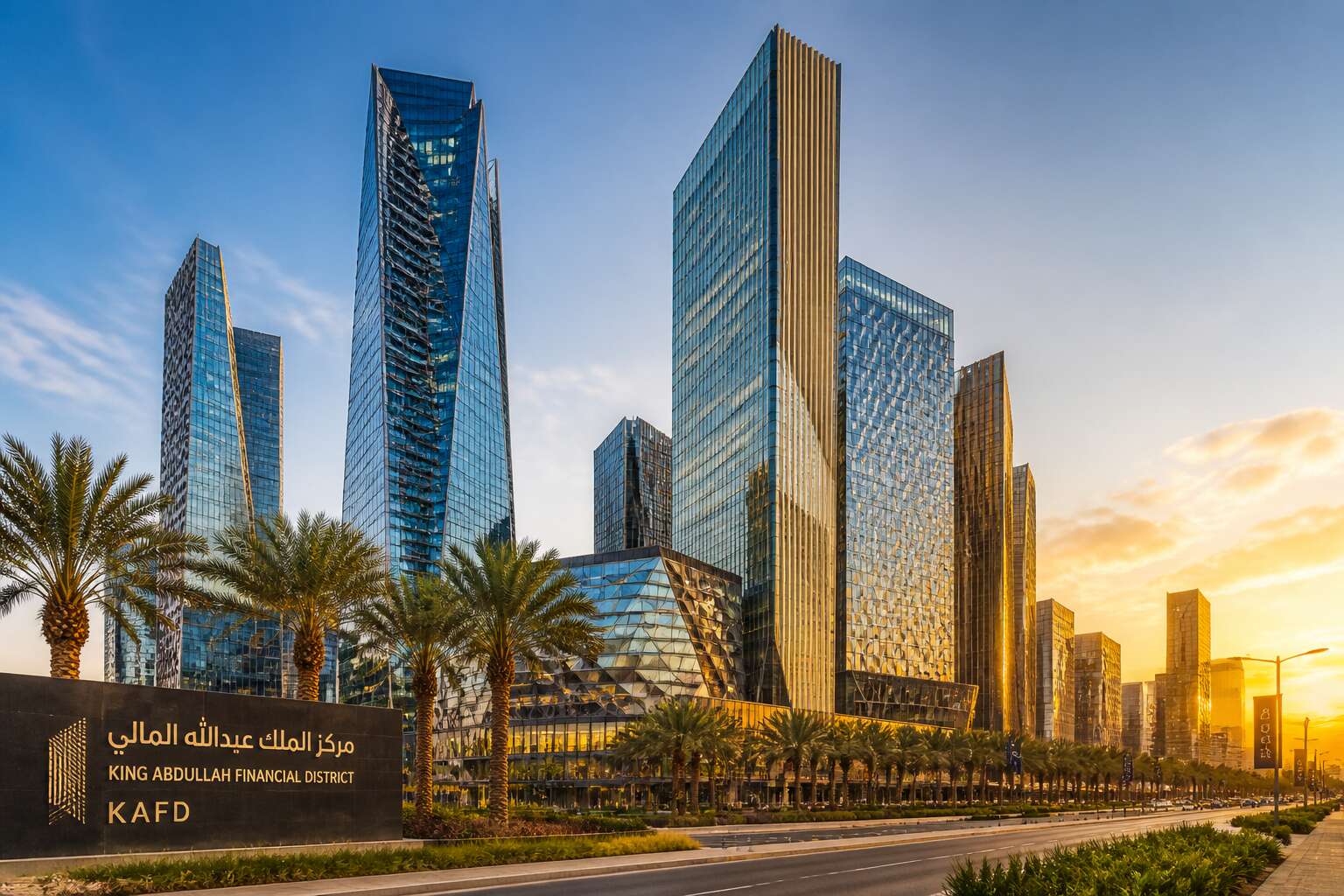
Riyadh’s office market is undergoing a transformation that surprises even seasoned investors. The city’s gross domestic product has expanded steadily since Vision 2030 took root, and this growth directly reshapes how businesses approach office rental riyadh. I have watched districts like King Abdullah Financial District and Olaya Street evolve from quiet boulevards into dense commercial corridors.
This expansion is not uniform across the capital. Some areas attract multinational firms while others serve local enterprises with different requirements.
– King Abdullah Financial District commands premium rates due to regulatory incentives
– Olaya and the Diplomatic Quarter offer established infrastructure for consultancies
– North Riyadh’s emerging zones appeal to startups seeking flexible terms
Understanding these microclimates matters because lease structures differ significantly across them. A company moving into the capital must evaluate workforce accessibility, parking availability, and proximity to government entities before signing anything. The landscape rewards those who study it carefully, and office rental riyadh decisions today require far more than comparing square metre prices.
Key Commercial Districts
Riyadh’s skyline is not a monolith, and neither is its leasing market. While the city’s rapid expansion grabs headlines, the real story lies in the distinct micro-markets that have sprouted across the capital. Choosing the wrong district can mean paying a premium for space your team doesn’t need or sacrificing prestige for a discount. Navigating office rental riyadh options requires a clear understanding of these varied landscapes.
To simplify the decision, consider the four distinct commercial zones that dominate the current scene:
– King Abdullah Financial District (KAFD): The undisputed apex for global banks and fintech giants, demanding the highest rental premiums.
– Olaya Street: The traditional corporate spine, offering a mix of established towers and practical amenities for mid-sized firms.
– Diplomatic Quarter (DQ): A serene, secure enclave preferred by NGOs, embassies, and consulting firms seeking a calmer environment.
– North Riyadh: The emerging frontier, where new master-planned communities offer modern warehouses and cost-effective offices for scaling startups.
The lease structures in these areas are as different as their skylines. In KAFD, you are buying into an ecosystem with premium fit-outs and integrated security. In the DQ, you are paying for tranquillity and proximity to power. Meanwhile, the northern districts often offer more flexible terms, allowing growing companies to secure larger footprints as they expand. Therefore, the best office rental riyadh strategy is not about finding the cheapest square metre, but about matching the district’s unique character to your operational needs and long-term vision.
Market Trends and Demand
The Riyadh office market is undergoing a profound transformation, one that echoes the speculative booms and strategic recalibrations seen in other emerging capitals. Yet, for the South African business leader looking eastward, the landscape is less about skyscraper envy and more about understanding a shifting tectonic plate of commerce. The old days of signing a lease based solely on a prestigious address are fading, replaced by a sharper focus on operational efficiency and employee well-being.
Demand is no longer monolithic. The era of the massive, single-occupancy government tower has given way to a fragmented market driven by diverse sectors. Financial services, tech startups, and logistics firms are each hunting for distinct ecological niches. This creates a fascinating dynamic where a company’s specific operational model dictates its physical location, rather than the other way around. For instance, firms requiring high-spec connectivity and proximity to the capital’s financial heartbeat still gravitate toward the central business district, but they are now negotiating harder for smart building features and agile floor plates.
Several underlying currents are steering this demand. These factors are reshaping what tenants expect from their square footage:
– The Talent Magnet Effect: Companies are prioritizing locations with access to amenities, green spaces, and transport links that appeal to a younger, international workforce.
– Saudiisation and Local Hubs: With the push for local headquarters, there is a rising need for flexible spaces in emerging districts that can scale quickly as teams expand.
– Logistics and Connectivity: The growth of e-commerce has spiked demand for office spaces with integrated warehousing or those positioned near major arterial roads, bridging the gap between the digital and physical realms.
The most intriguing shift, however, is occurring in the peripheral zones. While the glittering towers of the financial district capture the headlines, a quieter revolution is happening in the northern fringes and the new smart cities. Here, the office rental Riyadh market is witnessing a surge in demand for campus-style environments. These are not merely places to work; they are ecosystems designed to foster collaboration over long hours. Tenants are discovering that a slightly lower cost per square meter in these areas buys significantly more in terms of communal space and natural light, a crucial currency for mental health that many South African firms are starting to value.
This recalibration means that the traditional lease is becoming a strategic tool rather than a fixed cost. We are seeing a move away from the 10-year anchor leases toward shorter, more flexible terms that allow for corporate pivoting. The savvy tenant is now asking questions about energy efficiency, smart glass technology, and the true density of connectivity, rather than just the marble in the lobby. The market has matured. It is no longer a simple transaction of space for money, but a complex equation involving human capital, brand identity, and long-term agility. Navigating this requires a partner who understands the nuances of the local terrain, where the true value lies not in the address, but in the adaptability of the space itself.
Regulatory Framework for Leasing
Regulatory shifts are quietly reshaping the office rental Riyadh scene, and overlooking them can be a costly misstep. The introduction of the new Real Estate Law has brought clearer guidelines on lease registration and dispute resolution, offering tenants a more predictable foundation. For South African companies eyeing expansion, the formalisation of contracts through the Ejar platform is now a critical first step, ensuring legal protection from day one. Furthermore, compliance with strict zoning and municipal requirements is non-negotiable, even for short-term leases. This is a landscape where due diligence matters.
A practical checklist for your search should include:
– Verifying the commercial licence matches the building’s designated use.
– Confirming the office rental Riyadh quote includes service charges for cooling and maintenance.
– Reviewing the termination clauses, which are often stricter than those in Johannesburg or Cape Town.
A reputable local advisor who negotiates in Arabic will bridge the communication gap and protect your bottom line.
Types of Office Spaces Available
Traditional Offices
When you strip away the gleaming towers of the Financial District, the true character of office rental Riyadh reveals itself in its more grounded offerings. Traditional spaces here are not merely leftover stock; they are the silent workhorses of the city’s economy. They demand a different kind of vision from business leaders, one that appreciates solid structure over fleeting trends.
These conventional environments often come as shell and core units, which offer a raw canvas for companies with specific operational needs. Unlike the fully serviced options that dominate newer developments, these floors require a commitment to fit-outs and design. For many established firms, this investment is a declaration of permanence, a physical assertion that their operations have deep local roots—something particularly valuable when navigating the nuances of the local market.
Consider the practical landscape you will encounter:
– Shell and Core: Maximum flexibility for bespoke layouts, though capital expenditure is higher.
– Carpeted Offices: Move-in ready solutions with partitioned rooms, ideal for legal or consultancy practices.
– Whole Floor Leases: Provide ultimate privacy and branding control, often found in older, but structurally robust, buildings.
These choices are not about instant gratification. They are about endurance. In a city that often celebrates the new, selecting a traditional asset is a philosophical choice as much as a financial one. It signals a focus on substance, reinforcing a corporate identity built on stability rather than hype.
Serviced Offices and Coworking Spaces
When you move beyond the traditional lease, the landscape of office rental riyadh opens into a realm of flexibility that many businesses find essential today. Serviced offices offer a plug-and-play solution, where furniture, high-speed internet, and meeting rooms are part of the package. This model removes the burden of facility management, allowing your team to focus purely on operations from day one. It is a practical approach for companies that value speed and efficiency over the permanence of a long-term contract.
The true advantage of these spaces lies in their adaptability. Your floor plan can evolve with your headcount, and your financial commitments remain predictable. For businesses entering the Saudi market, this reduces the risk associated with a massive capital outlay.
– Access to premium locations without the premium setup costs.
– Flexible terms that accommodate project-based teams.
– Administrative support and front-desk services included.
Coworking spaces further diversify the options, creating a vibrant atmosphere that is difficult to replicate in a private suite. Here, you are not just renting a desk; you are acquiring a network. The communal areas foster spontaneous collaboration, which can be a powerful asset for startups and freelance professionals. The energy is often contagious, offering a stark contrast to the silence of a traditional office.
Ultimately, the choice between a serviced suite and a coworking membership depends on your company’s specific phase of growth. If you need privacy for sensitive work, a serviced office provides the necessary seclusion. If you thrive on interaction and flexibility, the open environment might be the better path. Both options, however, provide a strategic alternative to the rigid structures of conventional leasing, ensuring that office rental riyadh caters to a wide spectrum of business needs without locking you into a single way of working.
Executive Suites
Executive suites occupy a distinct middle ground in the office rental Riyadh market. They offer private, fully furnished offices within a managed building, yet they sit apart from the open chaos of coworking floors. Think of them as a hybrid: you get a locked door, dedicated space, and a professional address, while the landlord handles maintenance, internet, and common areas.
A typical executive suite includes more than just a room. You usually receive reception staff, meeting rooms available by the hour, and utilities bundled into a single monthly figure. For a law firm, a consultancy, or a regional sales office, this arrangement removes the friction of setting up a physical presence from scratch.
The practical benefits are straightforward:
– Lower upfront capital compared to fitting out a traditional lease
– Immediate occupancy with minimal negotiation
– Access to premium buildings in districts like Olaya or the Diplomatic Quarter
– Scalable square footage as your team changes size
Cost structures vary, but a private suite generally commands a premium over a hot desk. You pay for control and privacy. That said, lease terms tend to be shorter, sometimes month to month, which suits companies testing the Saudi market without committing to a five year contract.
One consideration: the person in the office next to you might be a competitor, and shared walls are common. Acoustic privacy is rarely perfect. Yet for many professional service firms, the trade off between convenience and confidentiality is acceptable. The support staff handles couriers, client greetings, and basic administration, freeing your team to focus on billable work.
For a South African company eyeing Riyadh, executive suites offer a practical starting point. They bridge the gap between a hotel room and a full corporate headquarters, providing legitimacy without the administrative burden. The office rental Riyadh landscape has matured, and this option remains one of the more predictable choices for those who value structure.
Retail and Mixed-Use Spaces
In Riyadh, the rigid separation between where you shop and where you work is dissolving. The newest commercial developments are built on a simple premise: foot traffic fuels business. When you look at office rental Riyadh options today, you will find a growing inventory of spaces perched above ground floor retail, cafes, and showrooms. This is not a minor trend. It is a response to the Saudi consumer’s desire for convenience and the corporate need for visibility.
These mixed-use environments offer a distinct set of operational advantages. For a retail brand establishing a regional HQ, having the management office directly above the flagship store is invaluable. It tightens communication loops and slashes response times. Consider what you gain with this setup:
– Access to premium footfall for ground floor operations
– Shorter commutes for staff who often navigate the city daily
– Direct integration with logistics and customer service teams
– A live testing ground for products and market reaction
But the benefits extend beyond logistics. The building infrastructure in these zones is often superior because it must serve high traffic public areas. Security is tighter, cleaning schedules are more frequent, and the HVAC systems are built for larger loads. You pay a premium for this integration, but the value lies in the synergy. A law firm might find the buzz distracting, but a tech startup or a creative agency thrives on the energy. The demographics of the people walking past your window can be a daily market research report)Skip unnecessary details. The key is to match the workspace to the specific operational pulse of your business. The market is shifting, and these hybrid locations are rewriting the rules of convenience in the capital.
Virtual Offices
A striking 74% of new business registrations in Riyadh are for entities whose principals rarely need a permanent physical desk. For those entrepreneurs, the concept of a “headquarters” has transformed into a strategic choice rather than a fixed location. Virtual offices within the office rental Riyadh market offer a credible street address in prestigious towers like those on King Fahd Road, a receptionist to answer calls, and access to meeting rooms by the hour. You pay for presence without the overhead of a full lease. This arrangement suits independent consultants, international sales teams, and e-commerce operations that route office communication through a central point.
The value proposition hinges on perception and flexibility. Your clients dial a landline and hear a professional greeting, while you work from a cafe or a home office. When you do need to host a client, the infrastructure is there.
Consider these scenarios where a virtual setup outpaces a physical one:
1. Market entry testing for foreign firms unsure of long term staffing needs.
2. Legal or agency partners who travel and only require a base for client meetings.
3. Digital businesses that hire remote workers but need a registered commercial address.
The trade off is the absence of community. You forfeit impromptu collaboration. Yet for the lean operator, the virtual option in the office rental Riyadh landscape provides operational legitimacy with minimal financial friction. It is a pragmatic bridge between an unestablished brand and a fully leased space.
Factors to Evaluate Before Signing a Lease
Location and Accessibility
H1: Navigating the New Frontier of Office Rental Riyadh
Riyadh is not merely expanding; it is undergoing a profound metamorphosis. The skyline, once a modest collection of low-rise structures, now bristles with cranes reaching toward the heavens. For the South African entrepreneur or corporate leader, this landscape represents a distinct departure from the traditional business hubs of Dubai or Doha. It feels less like a polished facade and more like a raw, ambitious construction site, and therein lies its unique appeal.
This shift is palpable the moment you step into the commercial districts. The narrative of office rental Riyadh is no longer a simple transaction of square footage. It is a strategic decision about aligning your business with the pulse of a nation redefining itself. The energy is tangible, a blend of deep-rooted cultural pride and a relentless push toward a post-oil future. When you walk through the glass atriums of the Kingdom Centre or the newer towers along King Fahd Road, you are not just finding a place to work; you are staking a claim in a story that is still being written.
Economic Growth and Business Hubs
The driving force behind this demand is the government’s Vision 2030, a blueprint that has injected liquidity into sectors previously untapped. This is not a slow burn; it is a surge. As a result, the demand for physical space has outstripped supply in prime locations, creating a dynamic where agility is your greatest asset. Companies that hesitate to secure their footprint often find themselves considering secondary locations that, while slightly off the main grid, offer significant cost advantages and easier access for staff coming from the expanding residential suburbs.
Market Trends and Regulatory Framework
For the uninitiated, the lease structure in Riyadh requires close attention. Unlike the freehold nature of many South African commercial properties, the Saudi market operates largely on leasehold arrangements, often governed by local authorities like the Kingdom’s General Authority for Real Estate. Rental rates in Riyadh have seen a steady climb, particularly in the North and West corridors. The “gross” lease is common, but you must scrutinize the service charges, which cover everything from cooling (which is non-negotiable in the summer months) to security and maintenance. These charges can vary dramatically between a Grade A tower and a newer mixed-use development.
Traditional Offices vs. Serviced Spaces
You have choices, and they span a wide spectrum. The traditional offices in Riyadh offer the classic corporate shell, giving you complete control over fit-out and branding. These are ideal for established entities needing stability and privacy. However, the time-to-market is slower, and the capital expenditure on furniture, partitioning, and IT infrastructure is significant.
On the other end, the rise of serviced offices and coworking spaces has democratized entry into the market. For a South African firm testing the waters, these spaces offer a plug-and-play solution with flexible terms. They provide the crucial advantage of networking; you are often sitting alongside logistics firms, tech startups, and consulting groups from across the globe. This ecosystem can be more valuable than the office itself, fostering collaborations that might otherwise take years to cultivate. The decision here is a binary one: do you want to build an asset for your brand, or do you want to buy into a ready-made community?
Executive Suites and Mixed-Use Spaces
The concept of executive suites has also evolved. These are not merely smaller offices; they are designed to project authority. They come fully staffed with receptionists who speak multiple languages and meeting rooms equipped with the latest video conferencing technology. This is particularly appealing if your clientele is local, as hospitality is a cornerstone of Saudi business culture. Impressing a guest with a well-appointed suite in a landmark building can speak volumes before a single word of business is spoken.
Furthermore, the modern developments are increasingly mixed-use. You are no longer isolated in a business park. Instead, your office might sit above a luxury retail mall or adjacent to a boutique hotel. This integration of lifestyle and work is a major draw for younger employees, who value the ability to grab a coffee, visit a gym, or entertain clients without getting into a car. This convenience is a powerful tool for staff retention, a critical factor in a competitive labor market.
Virtual Offices and Future Outlook
Finally, the virtual office presents a pragmatic entry point. For consultants or firms that do not require a permanent physical presence, this allows you to secure a prestigious Riyadh address, handle mail, and access meeting rooms on demand. This is a strategic way to establish a presence while minimizing overheads. It allows you to test the market dynamics before committing to a long-term lease.
As you evaluate your options, consider the rhythm of the city. Fridays and Saturdays are the weekend, shifting the workweek to a Sunday through Thursday schedule. Your location must account for prayer times, where traffic patterns change, and for the sandstorms that can occasionally disrupt visibility.
The journey into office rental Riyadh is one of calculated risk and immense potential. It requires patience, a good local advisor, and a willingness to adapt. The rental market here is maturing, but it retains a certain frontier vigour. For those willing to navigate the cultural nuances and the booming infrastructure, the reward is not just a lease; it is a strategic position in one of the most exciting economic expansions of the decade. The key is to enter with your eyes open, your budget flexible, and your vision firmly fixed on the long horizon.
Amenities and Facilities
So you have found a space that does not require a second mortgage and a landlord who answers the phone. Before you celebrate with a celebratory cup of Arabic coffee, pause. The real test of your office rental Riyadh decision lies in the details that no marketing brochure will ever show you. The frenetic pace of the city means that a building’s physical condition can vary wildly, even within the same premium tower. You need to look beyond the marble lobby and evaluate the guts of the operation, because a beautiful facade does not keep your servers cool or your staff comfortable on a 45-degree afternoon.
Delve into the mechanical heartbeat of the building. Ask pointed questions about the age of the HVAC system and its maintenance schedule. In Riyadh, air conditioning is not a luxury, it is a lifeline. A poorly maintained chiller can turn your expensive office space into a stifling greenhouse by April. Similarly, scrutinize the power backup capabilities. A promise of “uninterrupted power” is standard, but the reality of load-shedding or grid fluctuations can cripple a business that relies on cloud computing. Verify the generator’s capacity and ask about the last time it was actually tested under load, not just switched on for a monthly check.
Amenities are where the differentiation happens, but they can also be a hidden drain on your finances. A building might advertise a gym and a cafeteria, but you need to check if these are operational or just painted spaces on a floor plan. The presence of a prayer room is a non-negotiable for many local staff, and its location and size matter. Consider the traffic flow within the building. Are the elevators sufficient for the population during peak entry and exit times? Waiting fifteen minutes for a lift can wear down employee morale faster than any low salary. Finally, inspect the parking situation. It is not just about spots; it is about the ease of access and the safety of the walk from the car to the elevator, especially during the hotter months.
– Verify the fire safety systems and the renewal status of the civil defense certificate.
– Confirm the internet service provider options are not exclusive to one slow carrier.
– Ask about the cleaning and waste disposal contracts, specifically who pays for consumables.
The service charge quoted to you is often a starting point for negotiation, but it is also a window into the building’s management efficiency. A high service charge might be justifiable if the building offers a robust security team and 24/7 concierge service. However, you must ask for a breakdown of these charges. Inflated charges for “landscaping” on a plot of concrete should raise a red flag. Your focus on these mundane factors will save you from a world of operational pain later. The optimal office rental Riyadh strategy treats the physical facility as a critical element of your business continuity plan, not merely a backdrop for your operations.
Ultimately, your due diligence should be as rigorous as your financial projections. Walk the hallways during a peak workday to gauge the noise levels and the general atmosphere. Talk to existing tenants if you can, as they will give you the unfiltered truth about the management. A space that appears affordable upfront can become an expensive liability if the amenities fail to function when you need them most. In this market, comfort and reliability are not just perks; they are the bedrock of a productive workforce and a sane professional life.
Lease Terms and Flexibility
Signing an office rental Riyadh agreement requires reading every clause as if your business depends on it, because it does. Lease terms in this market often favor landlords, with standard three to five year commitments and annual rent escalations tied to market indexes. Negotiate a break clause after the first year. It costs nothing to ask, and it gives you an exit if your team outgrows the space or the neighborhood shifts. Flexibility matters more than square footage.
Consider these factors before you sign:
- Renewal terms: does the lease automatically renew, and at what new rate?
- Subleasing rights: can you assign the lease if your company changes direction?
- Fit-out responsibilities: who pays for partitioning and cabling?
The best office rental Riyadh deals include a cap on service charge increases. Without it, your rent can climb silently every year. Ask for a mutual termination option tied to notice periods, not penalties. A rigid contract will bind you to a space that no longer fits. A flexible one lets you adapt.
Budgeting and Hidden Costs
Budgeting for an office rental Riyadh deal demands a sharper eye than most first-time tenants expect. The headline price per square meter is only the opening act. Real costs lurk in the fine print, ready to ambush an unprepared cash flow. You will face demands for a bank guarantee, often equivalent to a full year of rent, which ties up capital that could otherwise outfit your workspace. Then comes the municipality fees and utility deposits, which vary unpredictably depending on the building’s classification and your expected consumption.
Experienced tenants know to probe deeper for the recurring charges. Cleaning, security, and air conditioning maintenance are rarely bundled into the base figure. Some landlords quietly add a management fee, while others pass on the full cost of chiller repairs. These line items can inflate your monthly outlay by up to twenty percent. Before you sign, demand a complete breakdown of all service charges and ask for a historical record of increases. Also, clarify the VAT treatment, as it applies to commercial rents and can shift your total burden significantly.
Look for these cost drivers in your term sheet:
– The exact method for calculating service charge splits.
– Whether the security deposit is interest-free and refundable in full.
– Any penalties for early exit or subletting restrictions that could trap you.
– The escalation clause percentage and whether it caps at a fair market rate.
A savvy approach involves negotiating a cap on variable charges and securing a clear list of what the rent includes. A transparent landlord will happily put everything in writing. When you compare options, calculate the all-in cost per workstation, not just the rent. This number gives you the true picture of whether a prime district office rental Riyadh offer is actually a bargain or a budget trap waiting to spring.
Parking and Transportation
Parking and transportation often decide whether an office rental Riyadh deal holds up in daily use. I have seen companies sign a lease in a gleaming tower, only to discover the parking situation turns the morning commute into a battle.
The parking ratio for employees and visitors deserves scrutiny. Some buildings charge a separate monthly fee per car, which can rival the rent increase you just negotiated. Covered versus uncovered bays and fixed allocations vary, and the difference affects daily routines.
Transport links matter just as much. A metro station within walking distance changes the talent pool you can recruit from. Bus frequencies and ride-hailing drop-off zones shape how people reach the building. Delivery vans need clear access to loading docks, not a lane that turns into a food stall by noon.
The walk from the parking level to the lift lobby during shift changes reveals the true congestion. First impressions of a lobby mean little if every arrival feels like a bottleneck.
The Rental Process in Riyadh
Searching and Shortlisting
In Saudi Arabia’s evolving commercial landscape, nearly a third of new business inquiries involve securing physical space. When considering an office rental riyadh, the initial process feels less like a transaction and more like a strategic investigation. The market is saturated with options, from sleek towers in the north to repurposed buildings downtown. It can be overwhelming.
I have found that successful searches begin with an honest audit of operational needs. Do you require a reception desk for constant client traffic, or is this a back-office function? Defining the company’s specific daily movements filters out unsuitable properties immediately. This prevents wasted afternoons touring spaces that look impressive but fail to serve the core workflow.
Once the criteria are clear, the shortlisting phase within your office rental riyadh search becomes a methodical elimination. The visual appeal of a lobby is secondary to the efficiency of the floor planaisle widths, column spacing, and natural light matter far more.
– Confirm the building’s zoning compliance for your specific license.
– Check the ratio of shared restrooms to anticipated daily staff.
– Measure the distance from the service elevator to the actual unit.
– Verify the cooling system operates independently on weekends.
This checklist cuts through the illusion of luxury finishes Reuters tends to focus on. You are not buying a facade; you are purchasing permitted square meters. Every inspection should be treated as a negotiation point, where the structural condition dictates the final offer. The true value lies in the fit, not the fancy brochure. Ultimately, the goal is to match the physical reality of the space with the long-term projection of your business. Treat the search as a statistical analysis of your own requirements, and the right unit will stand out from the noise.
Negotiating with Landlords
Riyadh’s business pulse is fast, but its real estate negotiations are a different beast altogether. Once you have narrowed down a shortlist, the process shifts from evaluating square meters to understanding human motivation. In a market where demand for office rental Riyadh options continues to surge, landlords hold significant leverage. They know that prime locations in districts like Olaya or the King Abdullah Financial District attract serious tenants, and they price that knowledge into every counteroffer.
This reality means preparation is your most valuable tool. Before you even sit down to discuss terms, you must understand the current market rates for comparable buildings. Knowledge of recent transaction values, even approximate ones, changes the dynamic of the conversation. It moves the discussion from abstract demands to concrete benchmarks. Furthermore, you should identify what the landlord values most; a long-term commitment often outweighs a slightly higher monthly rate, because vacancy is their greatest enemy.
Negotiation in this environment is rarely hostile, but it is always strategic. You will likely encounter a range of flexibility depending on the owner. Institutional owners, such as REITs or large development firms, usually adhere to rigid pricing structures but may offer generous fit-out allowances or rent-free periods. Private owners, conversely, have more latitude to adjust the base rent but might resist structural changes to the property. Understanding which type you are dealing with dictates your approach.
When the discussion turns to the contract, several clauses deserve your full attention. The rent escalation percentage is a critical point; standard increases are often tied to inflation or a fixed annual rate. You should also scrutinize the provisions for subleasing or assignment, as your business needs may change. Finally, negotiate the duration of the rent-free fit-out period with precision. Construction delays are common, and a buffer here protects your cash flow.
> Seek a balance between the headline number and the ancillary costs. Service charges for cooling, maintenance, and security can sometimes rival the base rent, so request a detailed breakdown.
The art of the deal in Riyadh often comes down to patience. A landlord will rarely accept the first offer, and a tenant who appears too eager will pay a premium for that urgency. Allow the conversation to breathe. Introduce pauses, ask clarifying questions about building management, and show genuine interest in the property’s long-term trajectory. This signals that you are a serious, stable occupier, which can unlock concessions that are not advertised.
It is also worth remembering that the cultural element remains central to the transaction. Business is conducted on relationships, and trust is built through respectful dialogue. A frank discussion about your budget constraints, presented honestly, often yields more results than aggressive posturing. The landlord is looking for a dependable partner to occupy their asset for years, and they are more likely to compromise for a tenant who demonstrates integrity and a clear business plan.
Ultimately, securing a favorable lease for an office rental Riyadh requires viewing the negotiation as a collaborative problem-solving exercise. You need a functional workspace; they need a reliable income stream. When these two objectives align, the terms often fall into place. The final agreement should leave you feeling confident about your occupancy costs for the coming years, allowing you to focus your energy on your core operations rather than second-guessing your real estate decisions. Always get the final draft reviewed by a local legal advisor to ensure compliance with Saudi regulations and to clarify any ambiguities regarding maintenance liabilities or exit penalties.
Legal Documentation and Contracts
The rental process in Riyadh culminates in the Ijara contract, the standardized lease agreement registered through the Saudi e-government portal. This digital registry protects both parties and provides a transparent record. For an office rental Riyadh, you will need your commercial registration certificate, a valid national ID or Iqama for the signatory, and the company’s VAT registration. The landlord must present the property’s title deed and municipal clearance.
Typical documentation requested during this stage includes:
- Commercial registration certificate
- Authorized signatory’s national ID or Iqama
- Company stamp and letterhead
- VAT registration certificate
Once the Ijara is stamped and registered, the contract becomes enforceable under Saudi law. This registration activates your utility connections and municipality permits. The Ejar platform tracks the lease’s lifecycle. The final review by a lawyer ensures the signed contract matches the negotiated terms.
Registration and Municipality Approvals
Riyadh’s commercial real estate market has transformed dramatically in recent years, with vacancy rates in prime districts hovering near historic lows. This tightening supply has made the journey from property viewing to handed-over keys a more intricate dance than many business owners expect. For the uninitiated, understanding the sequential nature of registration and approval can mean the difference between a seamless launch and a costly delay.
The process begins the moment you sign the initial offer letter. Unlike more casual markets, Riyadh operates on a strict digital-first framework. The Ejar platform, which now governs all residential and commercial leases, acts as the central nervous system for your transaction. Your landlord will initiate the digital contract, and your responsibility is to ensure every detail within matches the negotiated terms exactly. Discrepancies in square footage, parking allocations, or service charges here will become legally binding once you approve them.
Here is a breakdown of the typical submission sequence:
– Upload your company’s commercial registration (CR) which must be active and renewed.
– Submit the authorized signatory’s national ID or Iqama, ensuring it matches the CR’s listed representatives.
– Verify your VAT certificate, as the lease value will be recorded against this number for Zakat and tax purposes.
– Prepare the company stamp, as this is required on the physical copy even though the system is digital.
Once submitted, the municipality approval phase begins. This is where timing varies considerably based on the property’s location and intended use. If you are opening a consultancy in a mixed-use tower, approval may arrive within days. Conversely, a restaurant or a medical clinic requires additional civil defense clearances, which can extend the timeline to several weeks. You should not assume the Ejar stamp is your final green light; the Ministry of Municipal and Rural Affairs often cross-references the property’s zoning classification against your business activity.
The final step involves utility activation. While water and electricity connections are typically standard, the internet and telecommunications infrastructure can be a separate hurdle. Many buildings have exclusive agreements with specific fiber providers, and you will need to coordinate directly with them to schedule installation. This process is distinct from the government approvals and is managed entirely by the private sector.
Understanding these layers before you sign will save considerable frustration. The entire cycle, from digital submission to full operational readiness, generally takes between two and four weeks for standard office functions. Budgeting for this timeline is essential, as you will likely be paying rent from the commencement date listed on the contract, even if your internet is not yet active. Treat this phase with the same diligence as your lease negotiation, as administrative clarity is the quiet foundation upon which a successful Riyadh operation is built.
Cost Insights and Budget Planning
Average Rental Rates by District
Office rental Riyadh costs vary sharply depending on which district you target, and the spread is wider than most first time tenants expect. A prime spot in Olaya or the Diplomatic Quarter commands a premium that can reach double the rates of emerging zones further north. Meanwhile, areas like Al Malaz or Al Sulimaniyah offer a middle ground, practical for companies that want decent visibility without the prestige price tag.
Here is a quick snapshot of approximate annual rates per square meter:
– Al Olaya: SAR 1,400 to 2,200
– Diplomatic Quarter: SAR 1,600 to 2,500
– Al Sulimaniyah: SAR 1,000 to 1,600
– Al Malaz: SAR 800 to 1,200
– North Riyadh (Hittin, Al Nakheel): SAR 900 to 1,500
These figures are fluid, shifting with building age, floor level, and included amenities. A finished office in a newer tower naturally sits at the upper edge, while older buildings might negotiate downward. Budget planners should also account for service charges and utilities, which often add 15% to 25% on top of the base rent.
When you start comparing options, remember that the cheapest square meter does not always mean the lowest total cost of occupancy. A location further from the city center may slash your rent, but it could increase transportation costs for clients and staff. The key is matching the district rate against your team’s daily patterns and your brand’s need for visibility. Take time to walk the neighborhoods, observe the traffic, and ask local businesses about their actual outgoings. That ground level research will serve you better than any online listing ever could.
Additional Fees and Deposits
Riyadh’s office market is a landscape of stark contrasts, where the gleaming towers of the financial district stand in sharp relief to the more pragmatic, older stock. While the average rate per square meter tells one story, the true financial commitment of an office rental riyadh deal unfolds in the details that often escape the initial brochure. Beyond the headline figure, a complex web of service charges, utility connections, and maintenance fees awaits the diligent tenant. These additional costs can add a significant 15% to 25% to your annual budget, a variable that can make or break a carefully planned fiscal year.
Navigating this terrain requires more than a simple glance at the asking price. Most landlords in the city structure their leases on a gross basis, but the definition of “gross” varies wildly from one property manager to the next. A standard contract might include basic janitorial services and shared lobby maintenance, yet it frequently excludes the high-voltage electricity needed to power a dense server room or the specialized cooling required for a trading floor. Tenants must scrutinize the fine print, as the cost of a dedicated parking bay or after-hours air conditioning is often itemized separately, turning a seemingly straightforward lease into a complex financial puzzle.
The Hidden Layers of Your Lease
When budgeting for a move, the security deposit is often the first surprise, typically equivalent to three to six months’ rent. This is not a trivial sum, and its return is rarely automatic, often contingent on the condition of the premises and the settlement of any outstanding utility bills. Beyond this, you should anticipate a host of smaller, yet cumulative, expenses. It is wise to prepare for the following:
– Municipal fees: Levied by the local government, these are calculated based on the property’s value and are usually the tenant’s responsibility.
– Fit-out costs: The expense of partitioning, cabling, and designing your space to your specific brand identity is entirely on you.
– Insurance premiums: Landlords cover the building structure, but your liability for contents and business interruption requires a separate policy.
The bargaining power of a tenant often hinges on the length of the lease term. A five-year commitment might secure a rent-free period or a contribution towards the fit-out, while a two-year term offers flexibility but likely comes with a higher per-meter rate. For those seeking a swift entry, the office rental riyadh market has seen a rise in turnkey solutions, but these “plug-and-play” offices carry a premium that reflects their convenience. The key is to calculate the total occupancy cost, not just the monthly cheque, to understand the true weight of your commitment. Depreciation on your initial fit-out investment, for example, is a real, albeit non-cash, expense that should factor into your long-term financial modelling.
Offers and Incentives
In the previous section, we discussed Additional Fees and Deposits. The negotiation table is where the real leverage emerges. An office rental in Riyadh often comes with headline numbers that are intentionally padded. Landlords expect a counter offer. The first term they will bend is the service charge.
I saw one deal where a tenant negotiated a 15% reduction on the yearly service charge simply by highlighting the redundancy of certain shared amenities. That money went directly to faster internet installation. The most effective strategy is to ask for improvement costs rather than rent reductions. A landlord fearing a vacant unit will often agree to reshape the floor plan. The cash value of fit-out contributions can sometimes match the value of a free quarter of rent.
The market has also introduced blended offers. You should always request a tenant improvement allowance first, in calculable numbers per square meter.
– Rent-free period.
– Fit-out contribution.
– Reduced service charge during fit-out.
– Waiver of the municipality fee.
Make offers precisely around date of completion. Look for deals where the lease starts after the civil defense passes. Sponsorship in negotiation takes time in Riyadh, as all decisions pass through a committee.
An offer that ends near a circadian month will bind a schedule you can maintain. The almajlis factor is responsible: urgency is common, but that exact sense of urgency can be used to request a better final quote. The office rental riyadh market rewards patience. One professional office cost 270 SAR per meter per year, but the landlord kept only if the deal was closed within 48 hours. Do not be tempted. The money saved on a smart offer often covers your entire fit-out design on your side. Understand the liquidity of the negotiation.
Cost-Saving Strategies
Most tenants fixate on base rent and then get blindsided by operational costs. In office rental riyadh, the gap between asking price and actual monthly outflow can be substantial. Model every expense over a five year horizon, from AC maintenance to security staffing. That reveals potential savings.
Request a longer lease term to lower annual escalation clauses. Share a floor with a complementary business to split common area charges. Treat every amenity as a negotiable line item. Scrutinize these costs:
- Cleaning contracts that renew automatically
- After hours HVAC charges
- Data and cabling fees
Auditing your service agreement quarterly helps. Landlords rarely volunteer refunds, but they will correct errors when pressed. With office rental riyadh, a disciplined budget review can save enough to cover an extra workstation.
Comparison with Other Gulf Cities
Riyadh’s commercial rents often look modest next to Dubai, but the true measure lies in what occupiers pay after the add-ons. In Dubai, service charges can consume 12% to 18% of total occupancy cost. Doha presents lower headline rates yet higher utility deposits. Manama offers cheap leases, but maintenance quality varies. Office rental Riyadh sits somewhere between, with district cooling charges and shared security fees that many South African tenants misjudge.
Budget planners must compare like for like. A square metre in Riyadh may cost less than one in Abu Dhabi, but fit out standards and municipal fees reshape the picture. I have seen South African companies sign leases assuming Dubai pricing logic, only to discover that the cheapest quote becomes the most expensive contract once escalation clauses and backup generator charges emerge. These differences, not the base rate, define the real gap.

0 Comments